Aluminium vs Steel: Style, Cost & Performance Guide
January 19, 2024

By Scott HIlton

January 19, 2024
If you love the slim frames and glazing bars associated with traditional steel windows and doors, there is another decision to make: do you choose genuine steel or a steel-look aluminium system?
Visually, they can achieve a similar style. In practical terms, though, there are some important differences.
Neither material is automatically “better”. Genuine steel can be exactly right for certain properties, while aluminium offers a modern way to achieve the heritage look with different options for maintenance, thermal performance, colour and cost.
Here’s what’s actually worth comparing.
Traditional steel windows and doors use steel sections to create their distinctive slender frames.
Steel-look aluminium takes inspiration from that appearance. Slim aluminium profiles, glazing bars and carefully chosen proportions create the heritage style without trying to pretend the product is genuine steel.
If you're restoring a property where retaining the original material is important, steel may be the appropriate choice.
If it's mainly the slim heritage appearance you're looking for, modern steel-look aluminium windows give you another option.
Genuine steel has an advantage when extremely fine frame sections are required. Its strength allows traditional steel systems to achieve particularly slender profiles.
That doesn't mean aluminium has to look bulky.
Heritage aluminium systems are specifically designed to move away from the heavier appearance associated with conventional aluminium windows. Slim outer frames and glazing bars can create a much closer match to traditional metal windows.
For most homeowners, the more useful question is:
Will the new windows actually look right on my property?
Frame proportions, glazing bars and colour can have just as much impact as a few millimetres of sightline.
Take a closer look at Decorio's heritage aluminium windows to see how those details work together.
This comparison is often oversimplified.
Modern aluminium windows aren't relying on the raw metal alone. External frames use a thermal break between the inside and outside sections of aluminium to reduce heat transfer through the frame.
The glazing, seals and overall system design then contribute to the finished window or door's thermal performance.
Modern steel systems have developed as well, so it isn't as simple as saying aluminium is warm and steel is cold.
If thermal efficiency matters to your renovation, compare the actual performance of the complete system, rather than judging it purely by the frame material.
You can read more about how modern heritage glazing performs in our guide to windows and doors built for British weather.
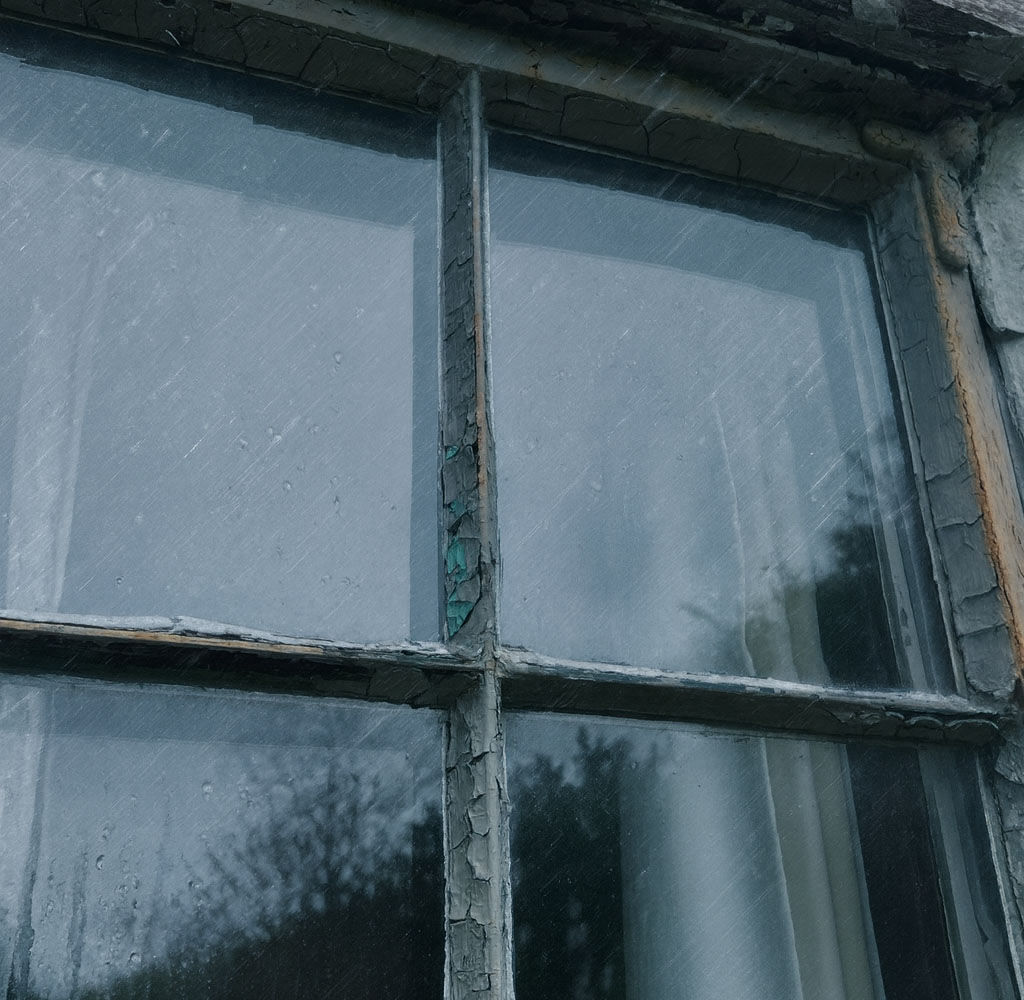
For many homeowners, this is where aluminium starts to make practical sense.
Powder-coated aluminium generally requires straightforward routine cleaning rather than regular repainting. It also doesn't rust in the same way as steel.
Modern steel windows can last for decades when properly protected and maintained, so it would be unfair to suggest they're automatically troublesome. But damaged finishes and corrosion are considerations with steel that don't apply in quite the same way to aluminium.
If low maintenance is high on your wish list, aluminium is certainly worth considering.
Our aluminium care and maintenance guide explains what's actually involved in looking after the frames.
Black is the obvious choice for steel-look glazing, but it certainly isn't the only one.
Powder-coated aluminium gives you a wide range of colour options, allowing the frames to work with the property rather than forcing every project into the same black industrial style.
A softer grey or heritage shade can work particularly well against stone, render or traditional brickwork.
The glazing-bar layout makes a big difference too. A simple horizontal bar can feel relatively contemporary, while a more detailed grid creates stronger Art Deco or traditional steel-window character.
Our heritage colour guide looks at those choices in more detail.
Bespoke genuine steel glazing can sit at the premium end of the market. Heritage aluminium can provide a more cost-effective route to the same style, but it is still a premium home-improvement product rather than a cheap PVC replacement window.
If you're comparing quotations, look beyond the initial figure.
Consider:
That's a far more useful comparison than simply asking which material costs less per window.
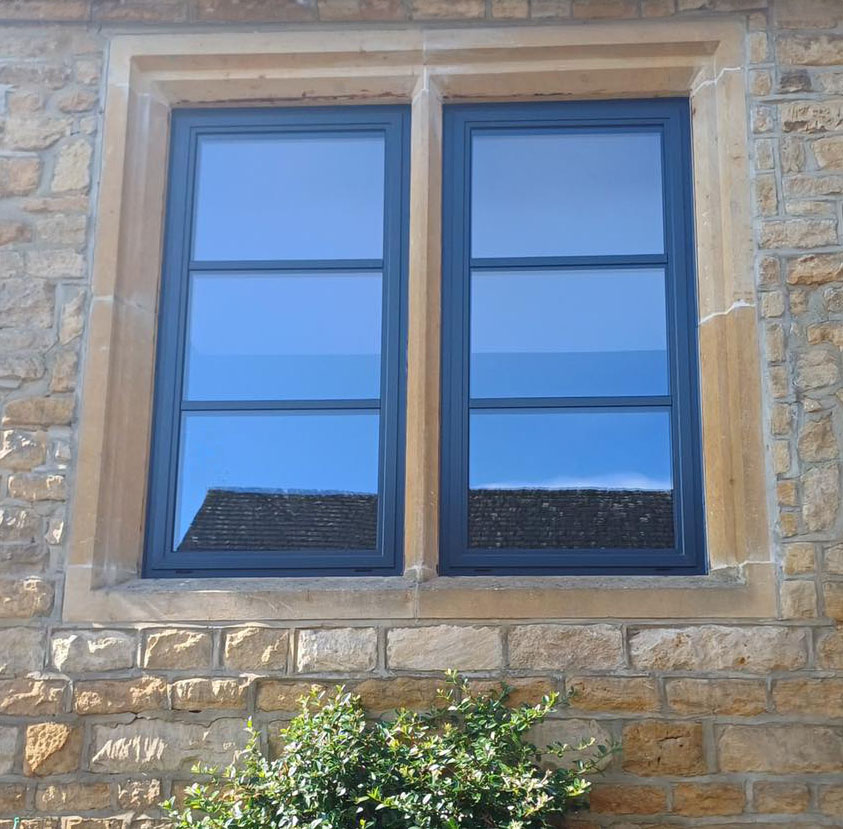
In many renovation projects, that's exactly why homeowners consider it.
Older properties can have slender steel windows that contribute heavily to their character. Replacing them with thick modern frames can completely change the appearance of the house.
Heritage aluminium can recreate many of those visual features while using a modern window system.
But there is an important caveat.
If your property is listed, sits within a conservation area or is covered by an Article 4 Direction, you may have restrictions on what can be changed.
Our guide to steel-look windows and doors for conservation areas is a good starting point before making any decisions.
It really comes down to what matters most to your project.
Genuine steel may suit you if:
Steel-look aluminium may suit you if:
Neither material needs to beat the other.
For many homeowners, cost will ultimately play a major part in the decision.
If a cost effective solution is more appropriate for your project, explore Decorio's steel-look external doors and heritage aluminium windows.
Decorio products are supplied through a network of professional installers who can survey your property, discuss the options and provide a quotation based on the actual project.
Find your nearest Decorio installer